Customer Spotlight: An Interview with Kes Woodward

This post is part of our ongoing series highlighting the work, expertise, and creative practices of Metropolitan Picture Framing customers.
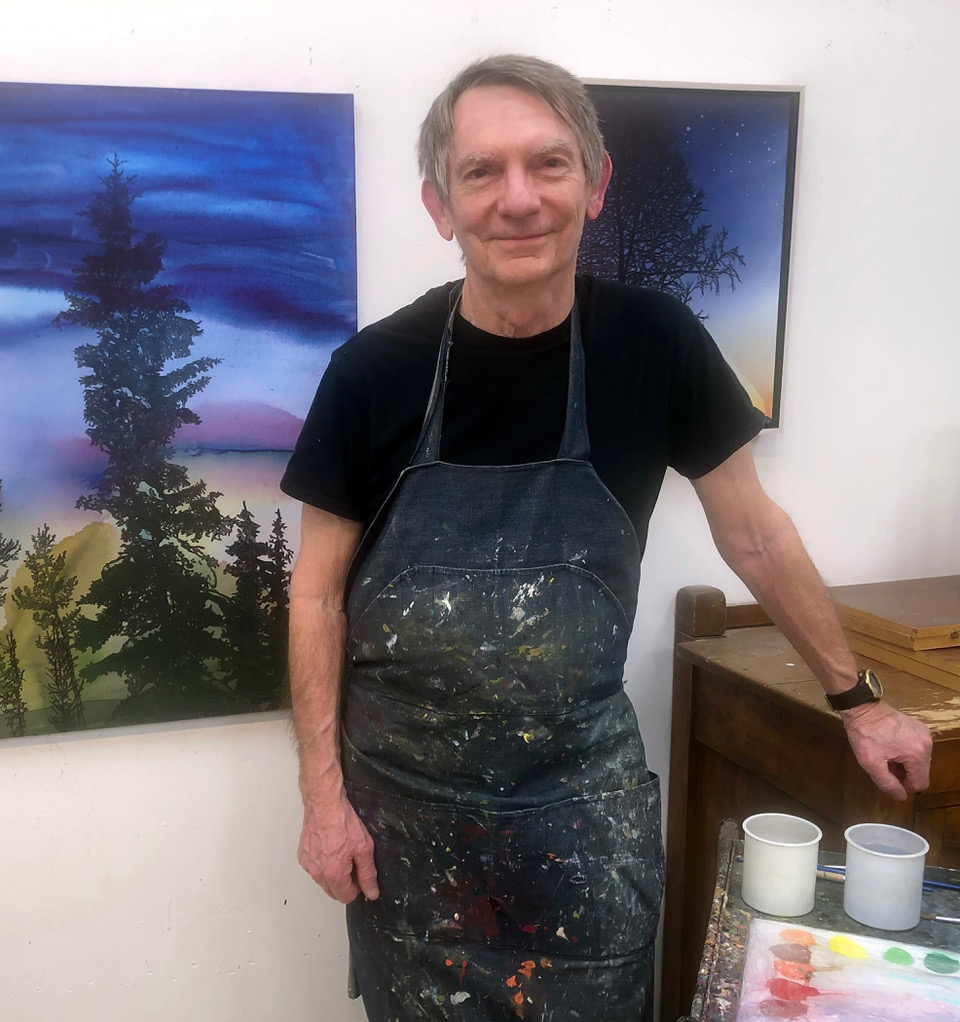
Can you describe the process that you use?
I am truly the opposite of a plein-air painter. I don’t work directly on site. When I’ve spent meaningful time in a place, it takes a long time for that experience to settle deeply enough in my consciousness for me to feel I have something to say that’s more than, “Isn’t this a beautiful place?” Not necessarily something more profound—just more personal.
I visited Denali National Park for more than two decades before I ever painted the mountain. When I’m out in the landscape, I try not to think about how I might paint it. Instead, I focus on being fully present—on the season, the moment, and the time in my life.
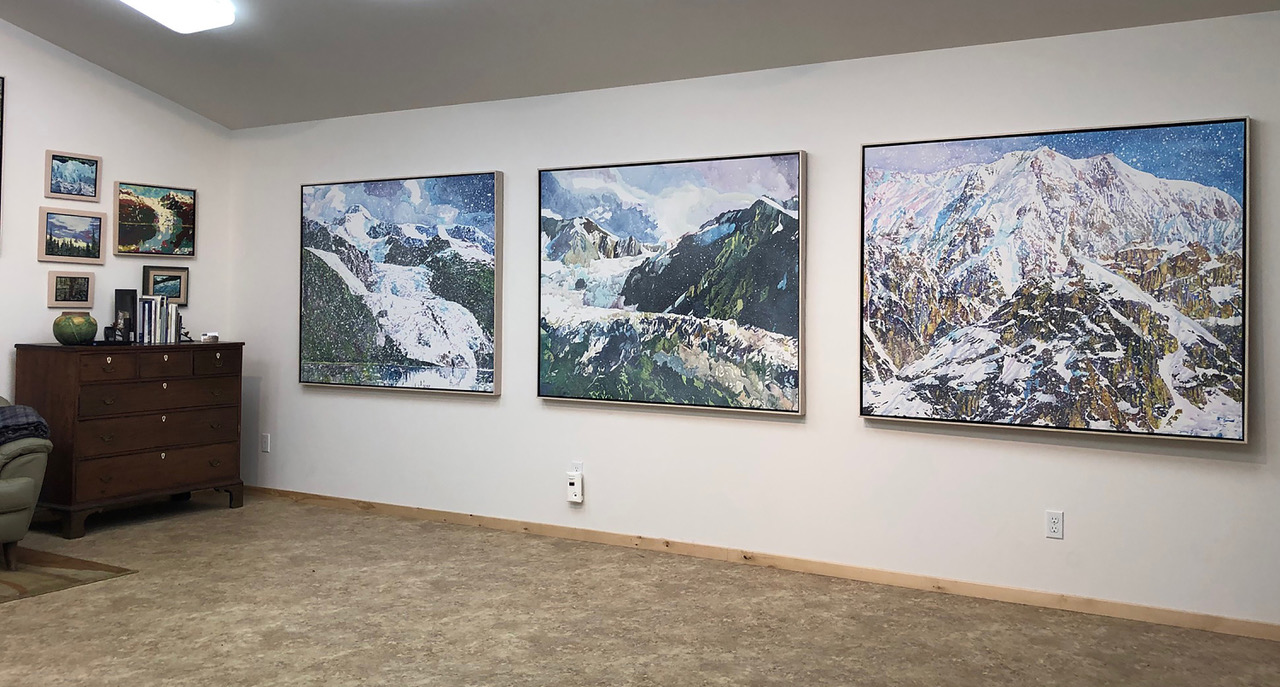
What led you to start using Metropolitan frames?
Around 1994 or 1995, I attended an American Association of Museums (AAM) conference in Minneapolis. I’d been a museum curator for decades and went to these conferences regularly. In the commercial exhibit hall, I came across your booth. I knew instantly the frames were exactly what I wanted, and I’ve used nothing else since.
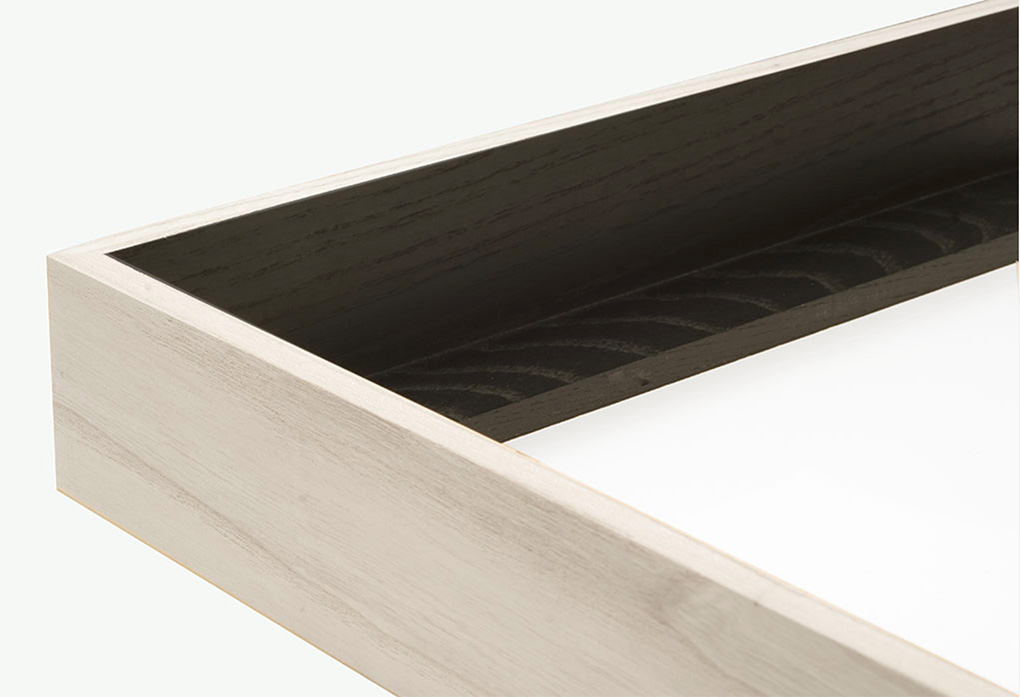
Profile 121 Wood Ash Finish: 05 picked white with black interior
Do you order online or on the phone?
I call Metropolitan about once a year. Lea Ann answers the phone, sees my number, and says, “Hi, Kes. How are you doing, what can we make for you, and when do you need them?” I order lots of frames at a time, in the sizes I typically paint. Shipping to Alaska is a big portion of the cost, so it’s more efficient to order in batches.
How have you set up your studio for framing? Any tips for other artists?
I don’t really “set up” for framing—it's so quick and easy. I assemble small frames on a table and large ones on the floor. I order all my frames cut-to-size with wedges. Shipping joined frames to Alaska would be impractical and astronomically expensive. For 30 years, those sections have been perfectly cut, and they go together in minutes.
I didn’t even know there were instructional videos—I’ve never needed them. I frame each painting as soon as it’s finished, then I start the next one.
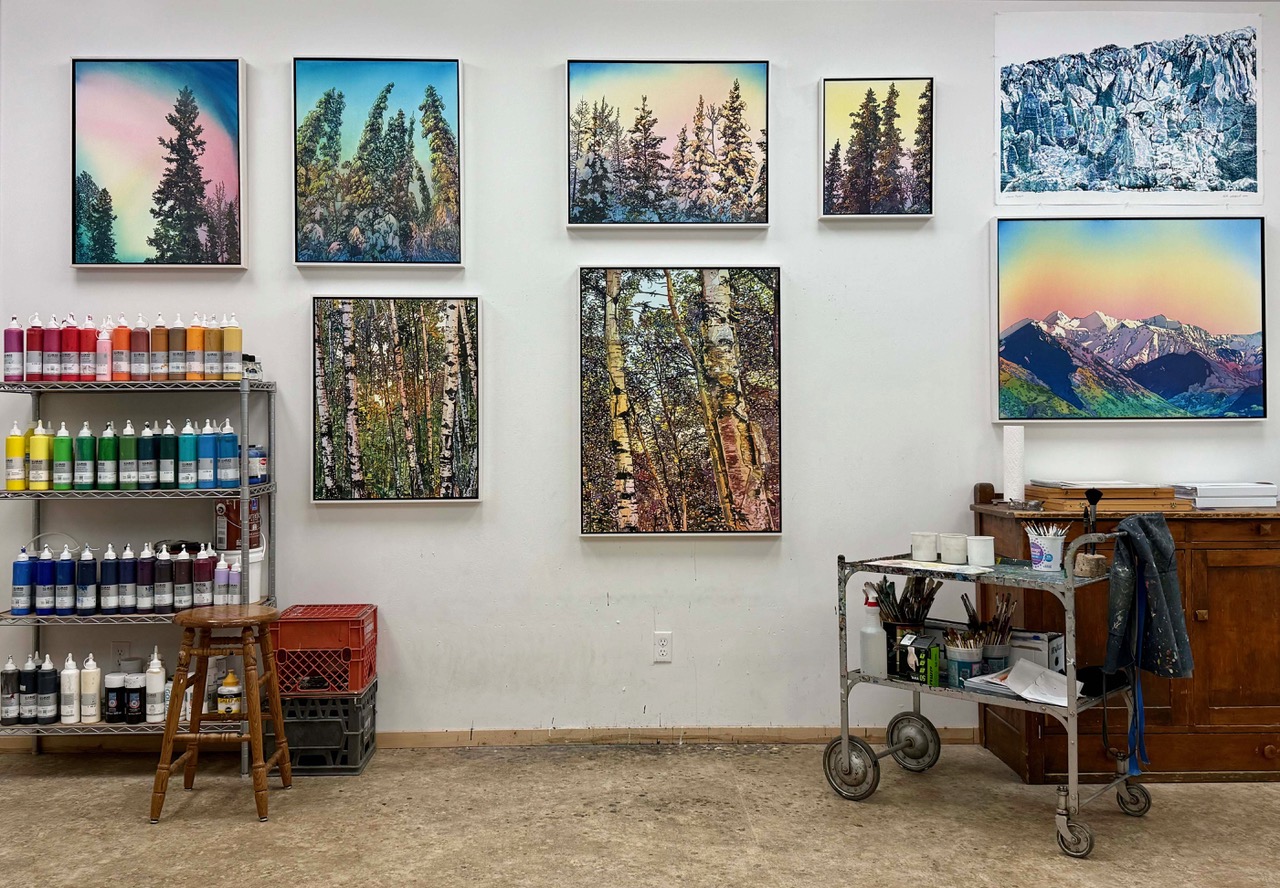
How do you market your work?
I’ve been represented by excellent galleries over the years—from Alaska to Reno, Charlotte, and Montreal. The primary representative of my work outside Alaska is the Stremmel Gallery in Reno Nevada.
In 2005, I created a website where I post new paintings with brief comments. I typically make a new post when I have three new works. I also maintain an “Available Works Album” with images, sizes, mediums, and prices for all available pieces, wherever they are in the world. I developed the site simply to keep collectors updated. I send a brief message each time there’s a new post. To my surprise, many collectors began buying more paintings—either from me directly or from the galleries representing me—after seeing the pieces online. The site is public, and others have discovered my work there as well, leading to sales across the country and beyond.
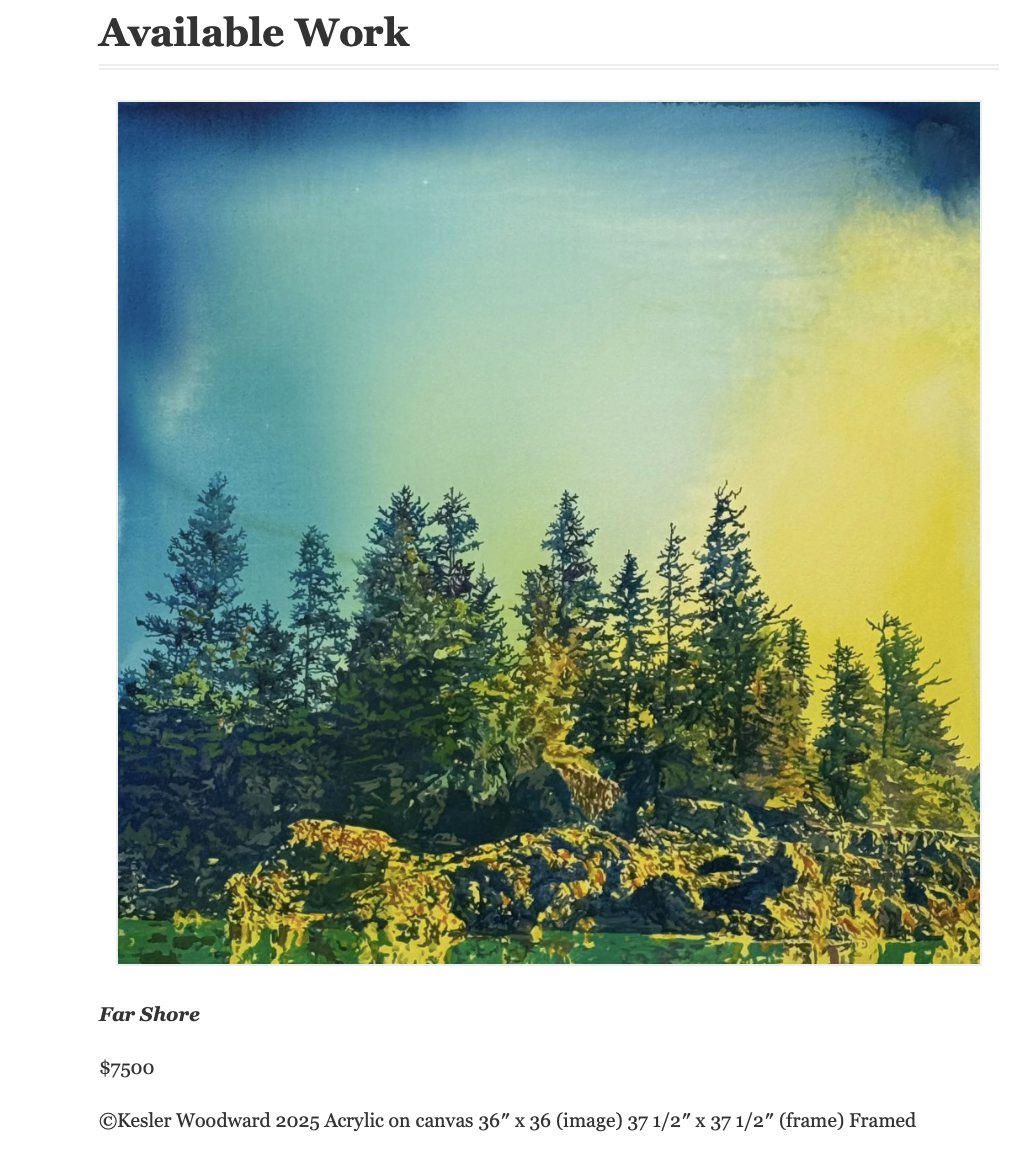
I follow up on every inquiry immediately, and at this point, I sell the vast majority of my work through the site. I am always careful not to poach gallery clients. If a painting is with a gallery, I encourage collectors to purchase it from them, and I keep pricing consistent everywhere. I never discount direct sales because it wouldn’t be fair to the galleries who have invested in me.
Any other advice for artists about your practice?
Every artist has their own way of working. Since leaving university teaching 25 years ago, I wouldn’t presume to give artistic advice—except to focus on doing the work.
I go to my studio and work long hours every day. I paint a lot and don’t wait for a show to motivate me. I don’t think about sales or worry about them (which is fortunate, because I’m always wrong about which pieces will sell first). But I do follow up instantly on every inquiry, and I ship all sold work immediately via FedEx 2-Day Air.
read more featured customer interviews.