Customer Spotlight: An Interview with Evan Rosenberg

This post is part of our ongoing series highlighting the work, expertise, and creative practices of Metropolitan Picture Framing customers.
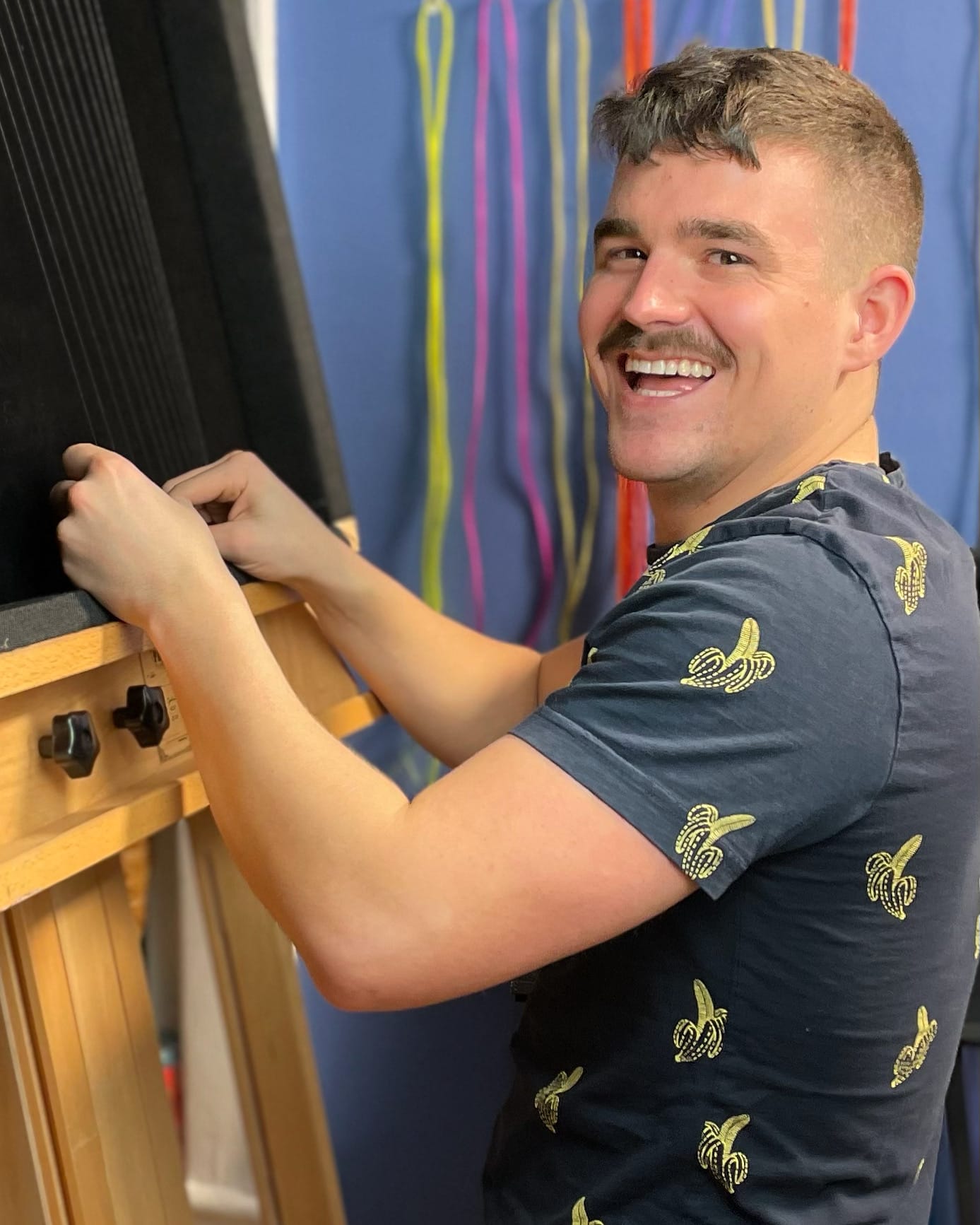
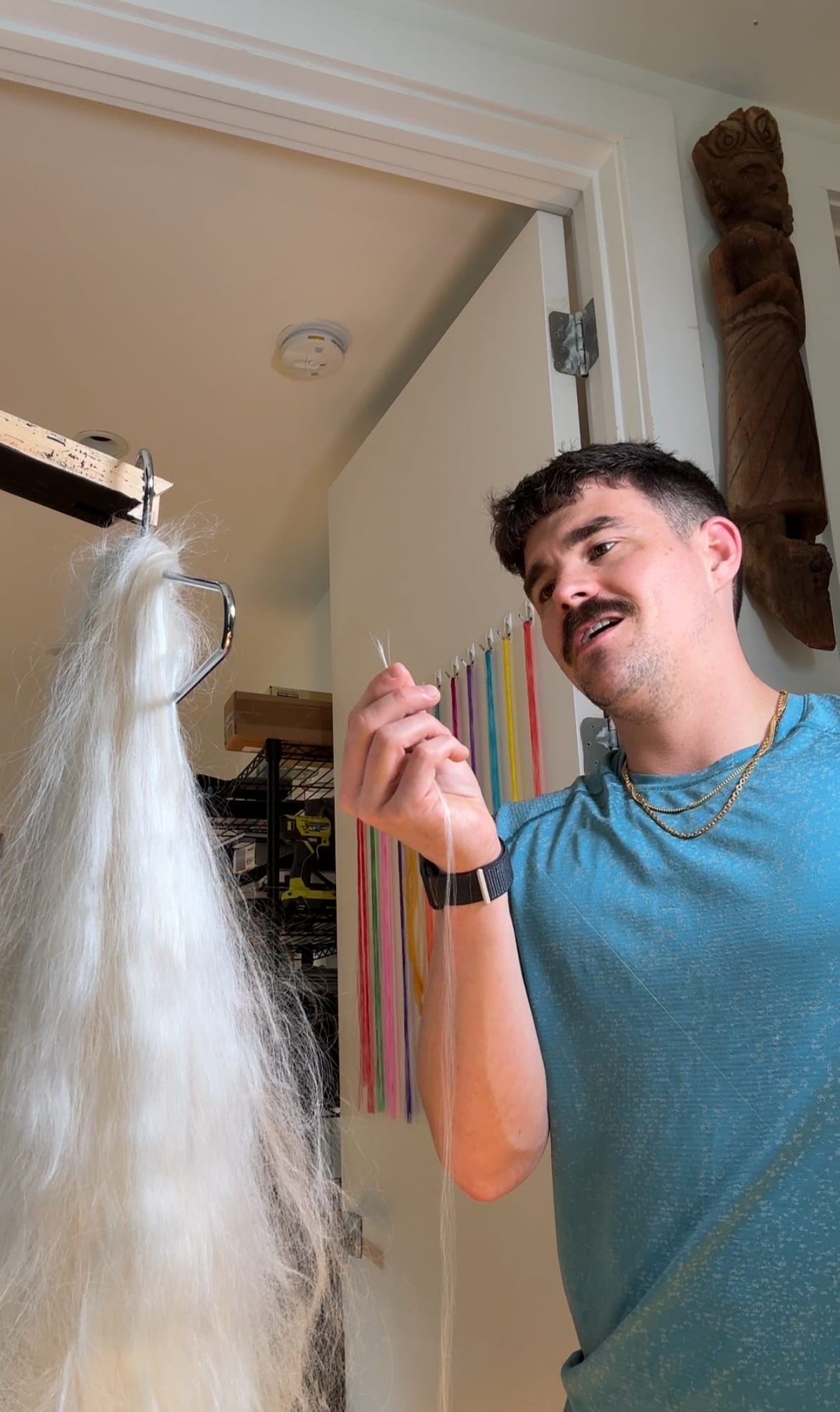
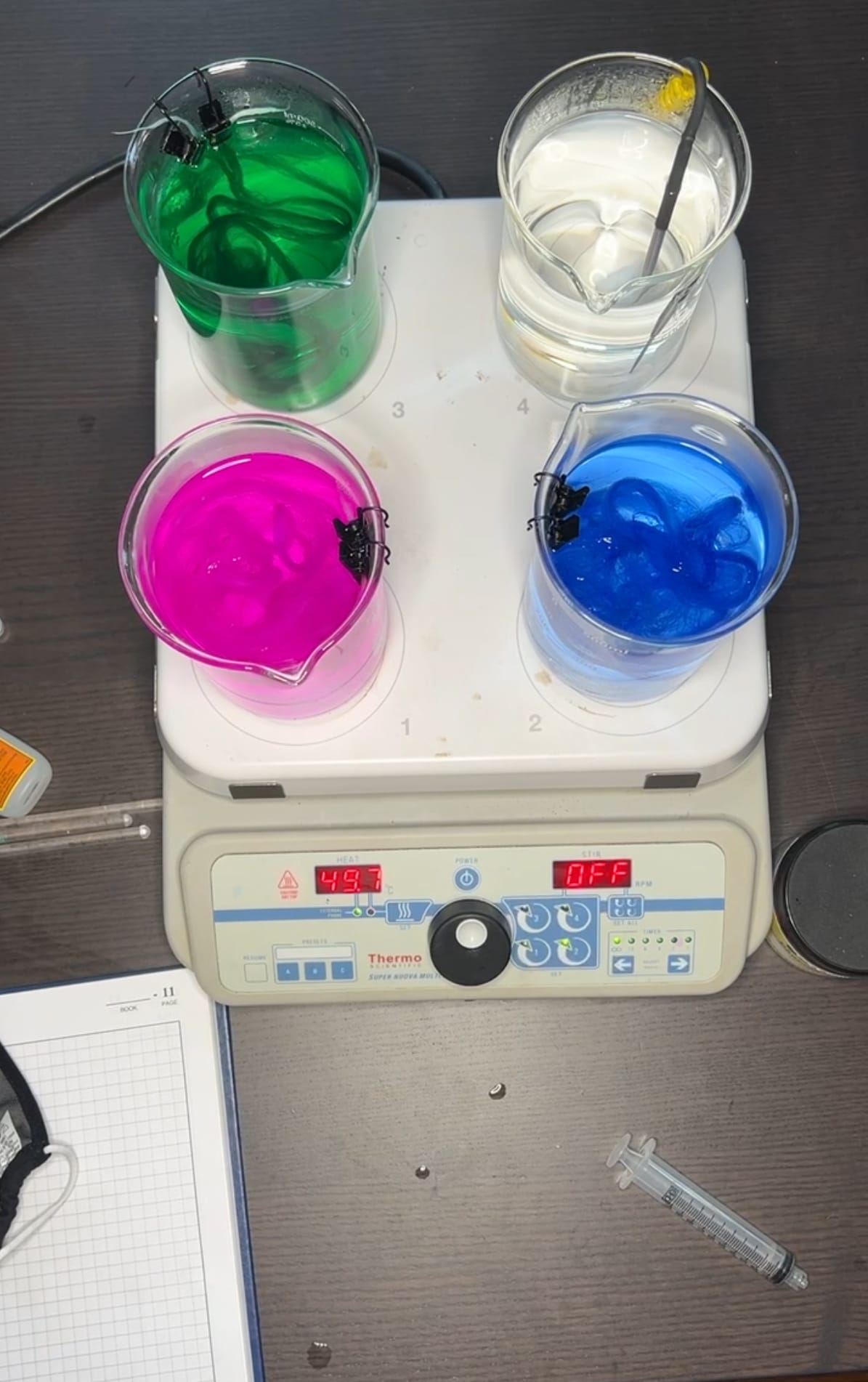
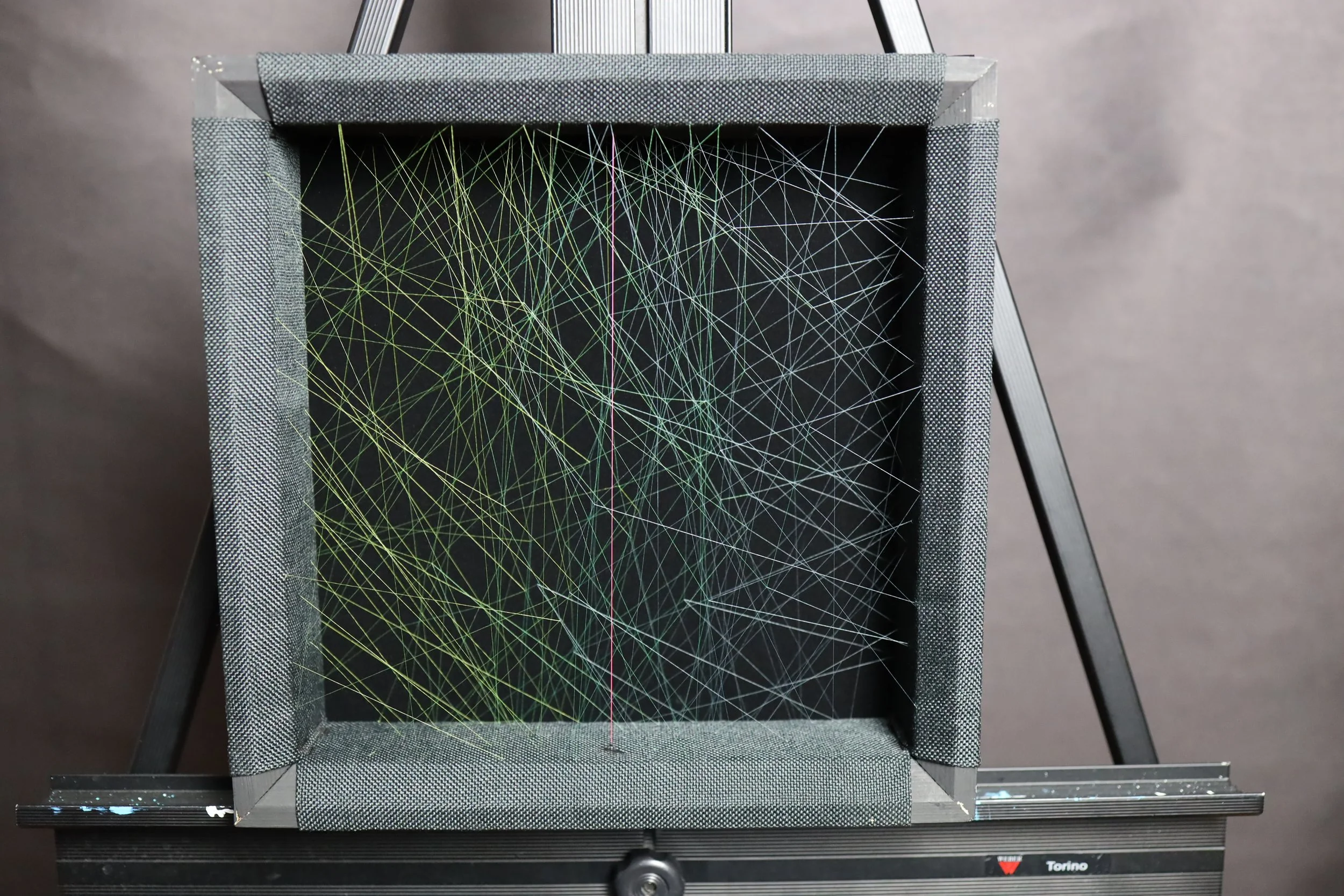
Evan's artistic practice integrates silk as a medium. The silk artwork emerged from his scientific research at a biotech startup focused on using silk to stabilize biologics. Fascinated by silk’s potential as an artistic material, Rosenberg began exploring its properties, challenges, and creative possibilities by weaving it into three-dimensional forms.
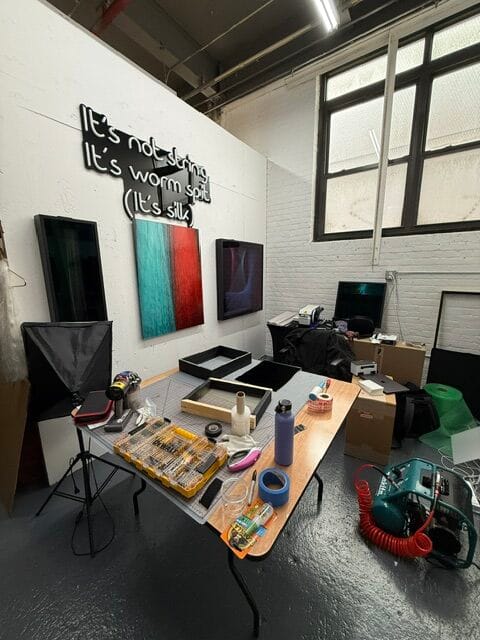
How have you set up your studio for framing? Any tips for other artists?
What led you to start using Metropolitan frames?
I realized quickly that I'd need to frame these pieces as dust is their mortal enemy (everything is black and every piece of dust can be seen). I was searching for a frame, and came across Metroframe's website. Adrienne has been helping me from the start, and guided me to the proper wood and finish on the frames.
I started with Maple, but realized the frames scratched very easily because of the hard wood and finish. Adrienne recommended I try poplar, as it's lighter and softer, making it perfect for my pieces. I tend to either order white or black finished frames.
The first frame I ever ordered was cut-to-size with wedges, the instructional videos were straightforward and made it easy to construct. Nowadays, I order joined frames as I like the cleaner finish.
Do you order online or on the phone?
I order on the phone and talk to Adrienne. She has been incredibly helpful, and it's been amazing to have the same person working with me for the past 7 years.
How do you price your work?
I price based on size and style, since some of my styles take less time I don’t like to price them all the same by size. For example my perspective pieces take a lot longer than the grounding lines pieces.
How do you market your work?
Most of my sales come from Instagram. I have leveraged social media heavily to sell my work. I try to post as consistently as possible, and doing so has allowed me to amass a large following. My work has been seen by millions of people at this point, so it helps tremendously with selling work. When I get an inquiry, I respond as soon as possible, and make sure I provide a very personal experience for the client. Reels do the best for outreach, and instagram has started leveraging what they call Trial Reels, which shows to people that do not follow you. This is a great way to get exposure!
I am currently working with Zach Frank & Co gallery in Buffalo. I drove all of the work up in my car and hand delivered it, but I have shipped pieces all over the world. I leveraged the way that Metroframe packs the frame when they ship it to me to safely ship work.
Any other advice you think artists would appreciate about your practice?
My practice is very much a practice, a commitment. As I'm not yet a full time artist, I think the biggest advice I can give is to always try to make a little progress on a piece every day (or almost every day). Working full time plus making time consuming art is the hardest thing I've done, and sticking to it, even if I can only put in 30 minutes, has allowed me to continue to grow and develop my practice.

www.evanmrosenberg.com Instagram: @evan.m.rosenberg
read more featured customer interviews.