Customer Spotlight: An Interview with Kristin DuFrain Curator/Registrar at Graphicstudio,USF

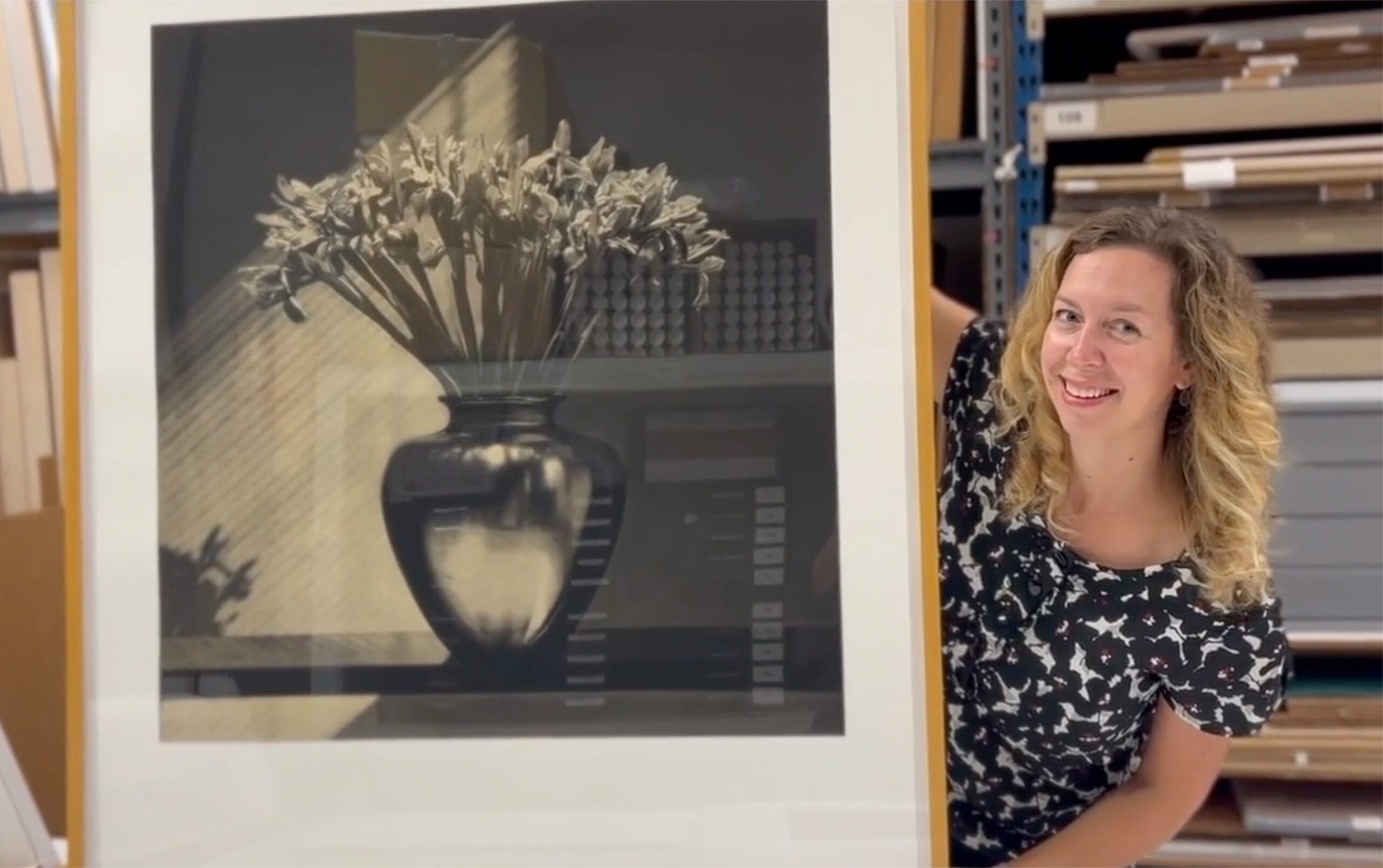
Graphicstudio was founded in 1968 at the University of South Florida, Tampa. Since its inception, the studio has invited over 100 emerging and established contemporary artists from around the world. Graphicstudio practices traditional printmaking techniques including intaglio, lithography, silkscreen, and relief along with photogravure, cyanotype and pigment prints. Impressions of Graphicstudio editions have been acquired by leading museums and corporate and private collections worldwide.

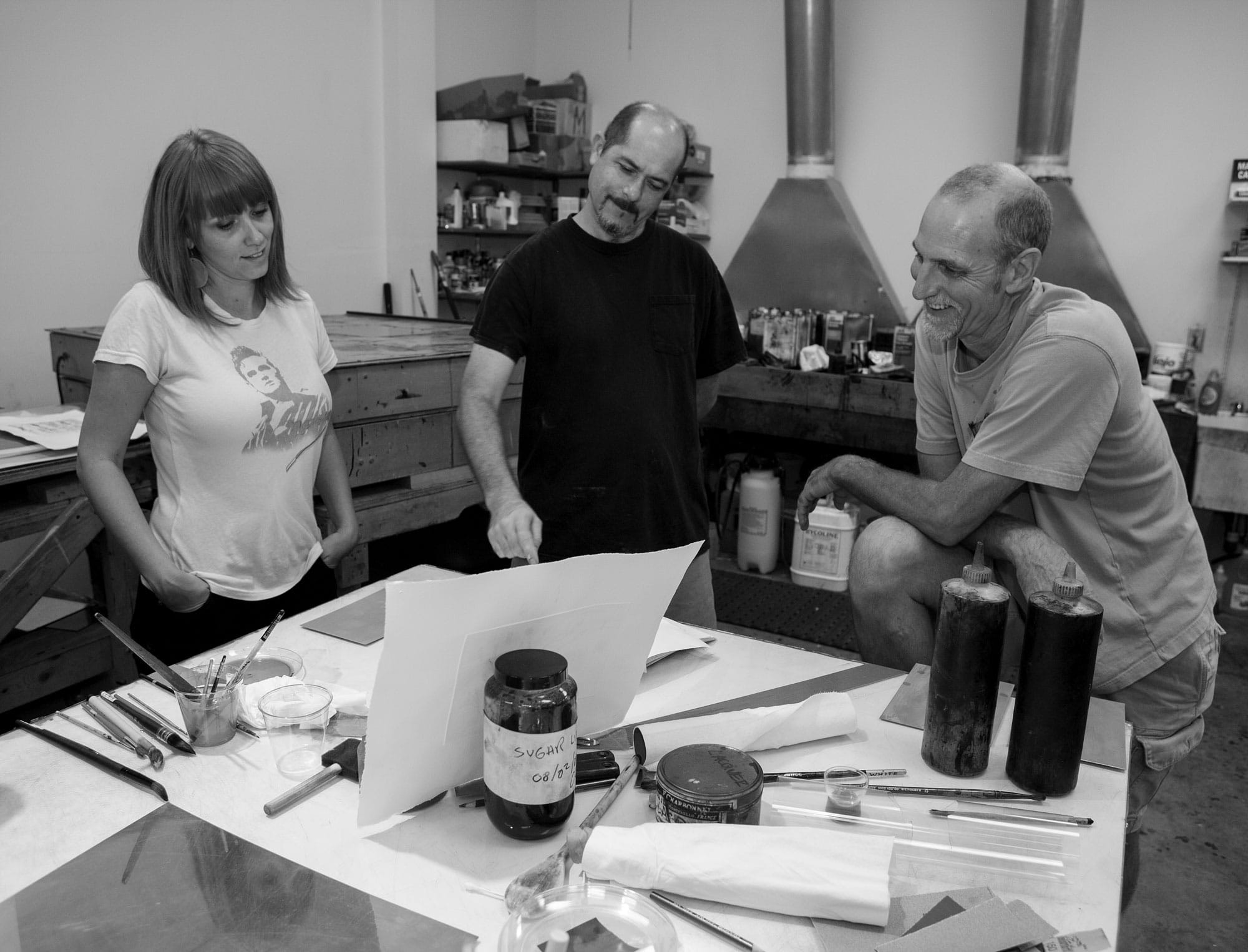
How did you learn about Metropolitan Picture Framing? When did you start using Metropolitan frames?
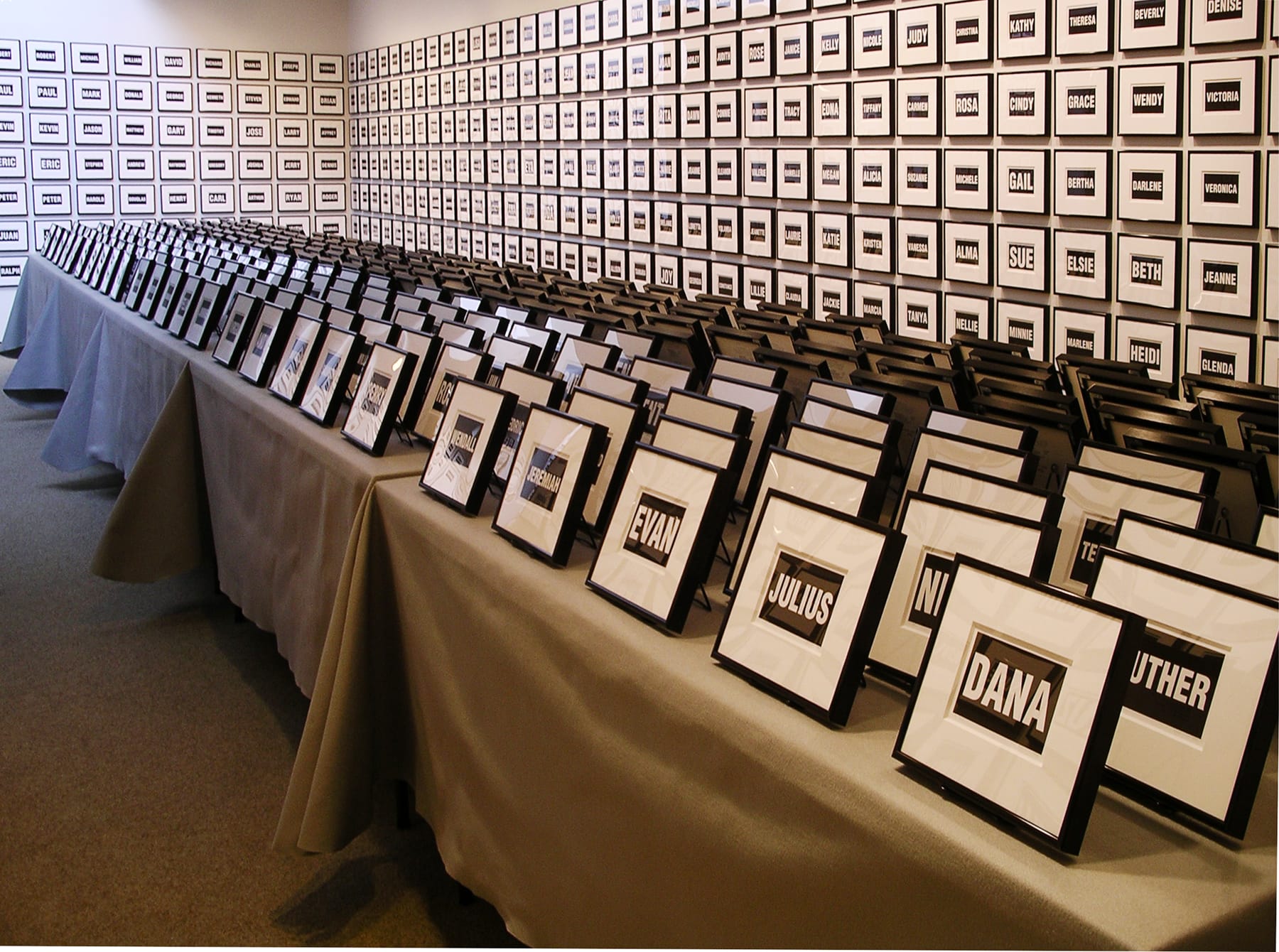
In 2003, we collaborated with the artist Allan McCollum on a project titled Each and Every One of You. As part of the concept, the artist researched the 2000 U.S. Census Bureau report compiling the most common names used in the United States. The project resulted in the production of three portfolios, each containing 1,200 prints—representing the 600 most common female names and the 600 most common male names. One of the portfolios required framing for all 1,200 prints. We conducted extensive research into framing suppliers that could provide the necessary components so that we could assemble the frames in-house at Graphicstudio. During this process, we discovered Metropolitan Picture Framing, whose products and reliability proved to be an excellent fit for the scale and precision the project required.
The success of that collaboration established a strong working relationship, and Metropolitan Picture Framing has remained a trusted partner and supplier for our framing needs ever since.
Do you order online or on the phone?
Rather than placing orders directly online or by phone, our process typically begins with developing detailed frame layouts and specifications for each artwork. Once those are finalized, we compile the information and email it to your team so that you can review the details and provide us with a quote. This approach helps ensure that all measurements, materials, and requirements are clearly communicated before moving forward with the order.
Do you have a permanent framing staff and/or do you use students to help with the framing? If so, have you found our framing advice section useful?
Our framing is handled by myself and our Assistant Registrar, Arianna Rejko. Together, we manage the framing specifications and assembly for our projects.
We have found the resources Metropolitan provides to be extremely helpful when working through framing decisions with artists. The information available on your website, along with the frame samples, frame corners, and mat samples you provide, are valuable tools that allow us to clearly present options and discuss materials and finishes with artists in a thoughtful and informed way.
How have you set up your studio for framing? Any tips for other galleries and/or artists?
We have a dedicated clean workspace within the studio for framing, which allows us to keep the process organized and efficient. The area includes a large, clean worktable for assembling frames and handling artwork safely. One of the most helpful practices has been developing detailed frame layouts and specifications before ordering materials. We always double check our measurements! This allows us to plan projects thoroughly and avoid unnecessary delays or mistakes once the components arrive. Keeping framing samples readily available is also extremely useful when discussing framing choices with artists.
I know you participate in multiple art fairs. Can you describe the process for getting into and selling at art fairs?
Participating in art fairs generally starts with an application process where we submit information about our program, the artists we work with, and examples of recent projects. A selection committee reviews the applications and decides which organizations will be invited to participate.
When we are accepted, we then work as a team to select the works that will be shown and plan how they will be presented in the booth. That involves coordinating framing, packing, and shipping, as well as thinking carefully about the layout so the work is displayed effectively. We often create a 3-D model of the booth so we can visualize how to best display the work. During the fair, the focus is really on conversations—meeting collectors, curators, and other art professionals, discussing the artists and their work, and building relationships. Sales often happen during the fair, but there’s also a lot of important follow-up afterward with people who expressed interest. Graphicstudio participates in multiple art fairs every year, among them INK Miami Art Faircoinciding with Art Basel and the IFPDA Print Fair in New York City.
Any other marketing advice for print makers?
For printmakers, one of the most important aspects of marketing is building visibility and relationships within the art community. Participating in exhibitions and art fairs can be very valuable because they create opportunities to connect directly with collectors, curators, and other artists.
read more featured customer interviews